Bird Watching in Sauraha: A Paradise for Nature Enthusiasts
One of the most popular and enriching activities in Sauraha is bird watching, offering a truly immersive experience for wildlife lovers and nature enthusiasts. Surrounded by lush landscapes and diverse ecosystems, the region provides an exceptional opportunity to observe a wide array of bird species in their natural habitats.
Chitwan National Park: A Birdwatcher’s Haven
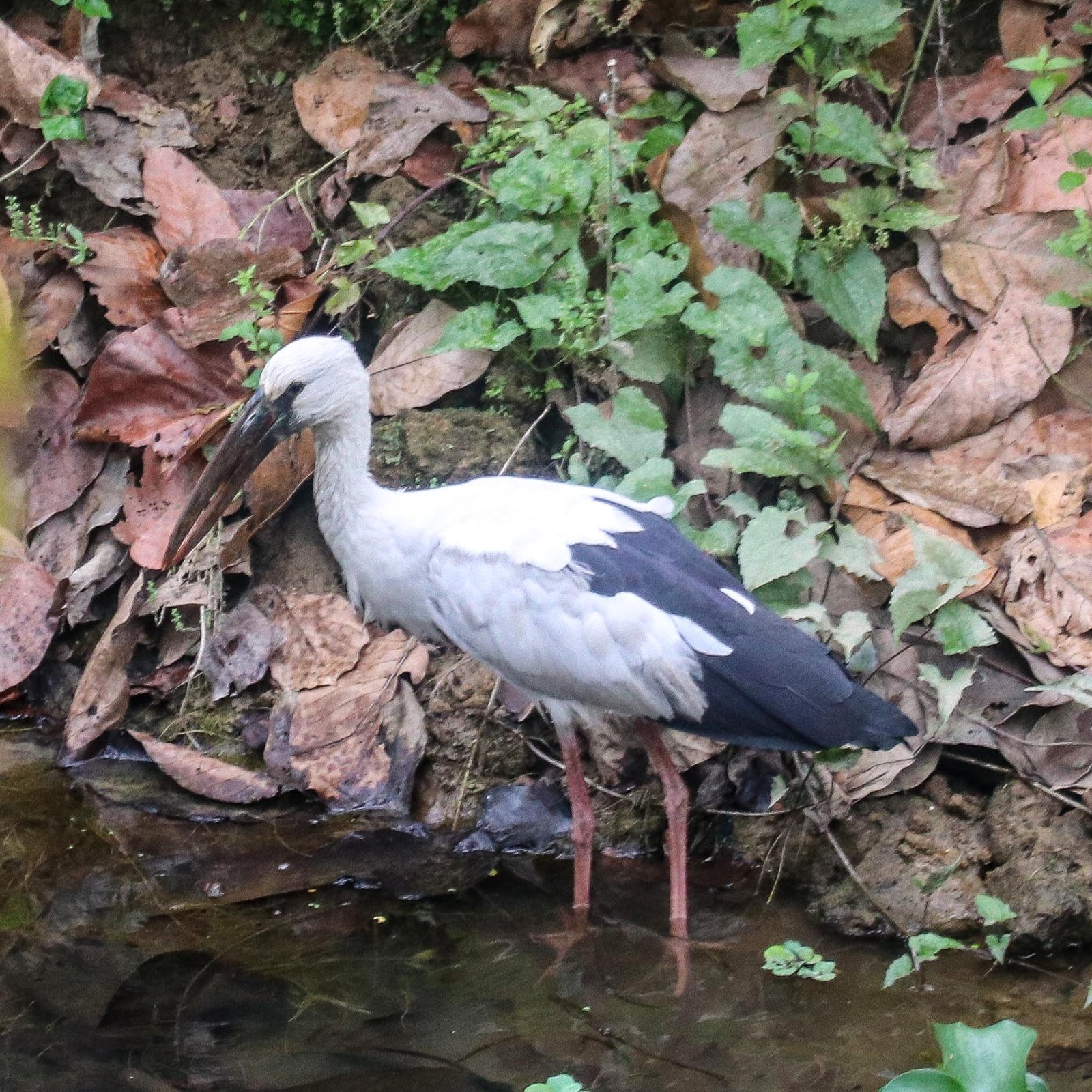
Located just minutes from Sauraha, Chitwan National Park, a UNESCO World Heritage Site, is home to over 570 species of birds, making it one of the richest bird sanctuaries in South Asia. The park’s tropical and subtropical forests, grasslands, and riverbanks offer ideal conditions for both resident and migratory birds.
Visitors can spot rare and majestic species such as:
Great Hornbills
Asian Paradise Flycatchers
Lesser Adjutants
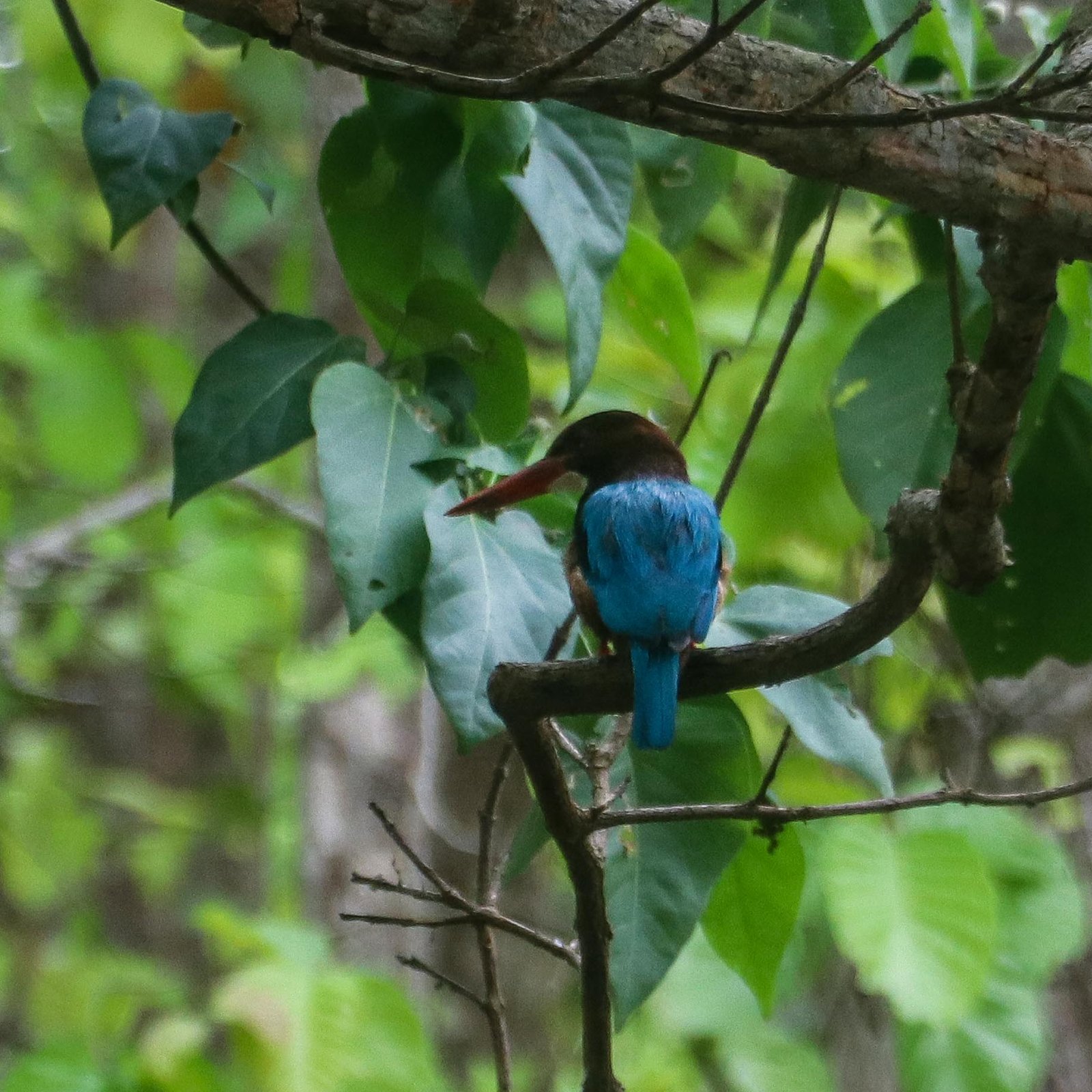
Kingfishers
Peacocks
Woodpeckers
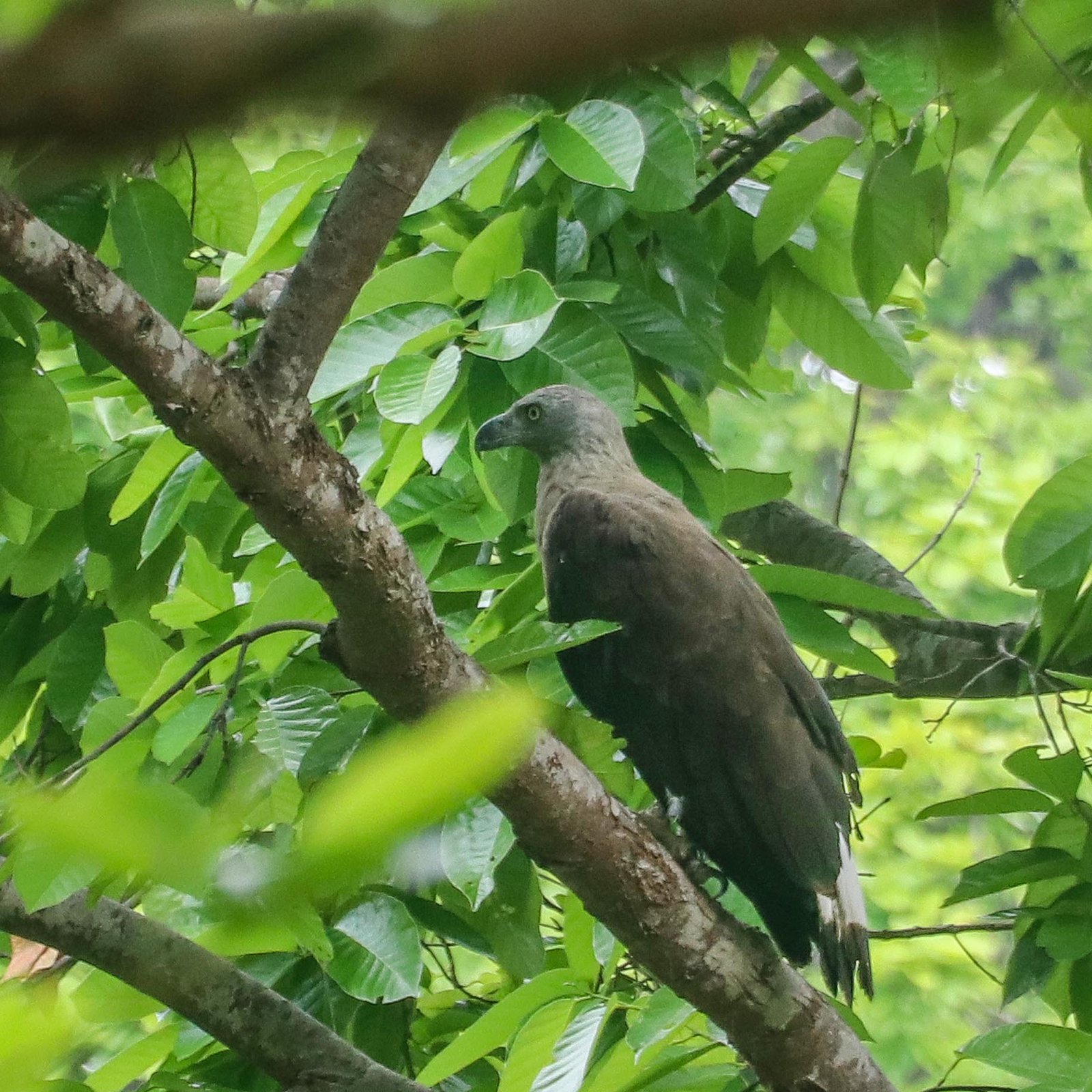
Changeable Hawk-Eagle, among many others
Guided bird-watching tours are led by experienced naturalists who help identify species and share insights into their behaviors, calls, and migratory patterns.
Twenty Thousand Lakes (Bishazari Taal): A Wetland Gem
Just a short drive from Sauraha, the Twenty Thousand Lakes (Bishazari Taal) wetland area is a serene and vital stopover for migratory birds. Every year, during peak migration seasons, birds travel from as far as Siberia and other parts of Europe and Asia, transforming this wetland into a vibrant birdwatching hotspot.
Common sightings include:
Siberian Cranes
Ruddy Shelducks
Bar-headed Geese
Cormorants
Egrets and Herons
Various species of Ducks and Waders
The peaceful ambiance of the lake, combined with the sounds of nature and bird calls, makes it a must-visit location for photographers, ornithologists, and travelers seeking a quiet connection with wildlife.
The Experience
Whether you’re an avid birder with a checklist or a curious traveler seeking a serene morning in nature, bird watching in Sauraha promises a rewarding and educational experience. Early mornings and late afternoons are ideal times, and we recommend carrying binoculars, a camera, and a field guide (or joining a guided tour for expert support).